What Backflow Is And Why Plumbing Testing Is Important
People searching for backflow testing are usually trying to ensure their drinking water remains safe by preventing contamination, and local contractors can provide expert testing and solutions.
Understanding what backflow is and why plumbing testing is important can be a valuable step for property owners looking to maintain a safe and reliable water supply. Backflow occurs when contaminated water flows backward into the clean water system, potentially introducing pollutants or harmful bacteria. Regular plumbing testing helps identify issues early, ensuring that backflow prevention devices are functioning properly and that water remains safe for everyday use. Property owners in the area who want to safeguard their water quality often turn to experienced local contractors who specialize in backflow testing and prevention services.
For those managing residential or commercial properties, staying informed about backflow and plumbing testing can prevent costly repairs and health hazards down the line. Local service providers are equipped to handle these inspections efficiently, offering peace of mind that the water system is protected against backflow risks. Exploring this topic further can help property owners understand the importance of routine testing and how local professionals can assist in maintaining a safe, compliant water system. Keep reading to learn more about how proper backflow prevention benefits your property’s water safety.
- Backflow testing - is essential when property owners need to ensure their drinking water remains uncontaminated, and local contractors can perform thorough inspections to identify potential backflow issues.
- Plumbing system evaluation - helps detect cross-connections that could cause backflow, with service providers using specialized testing methods to evaluate system integrity.
- Backflow prevention device installation - is necessary when existing devices are outdated or absent, and local pros can install and verify proper functioning to prevent reverse flow.
- Routine backflow device testing - is recommended to maintain system compliance and prevent contamination, with local contractors conducting scheduled inspections to ensure reliability.
- Water quality assurance services - are vital for properties concerned about backflow risks, and service providers can assess and test plumbing systems to confirm safe water delivery.
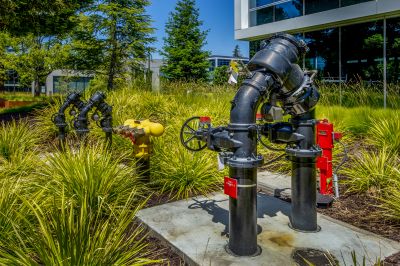
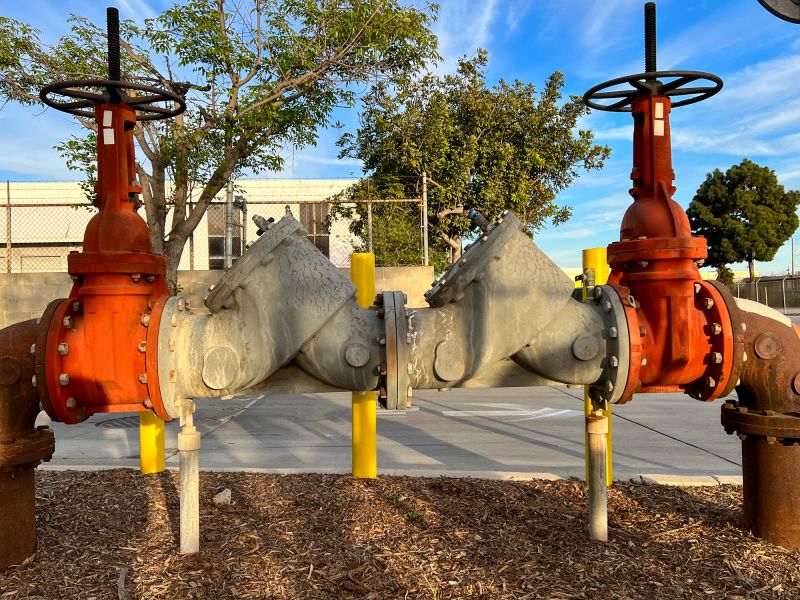
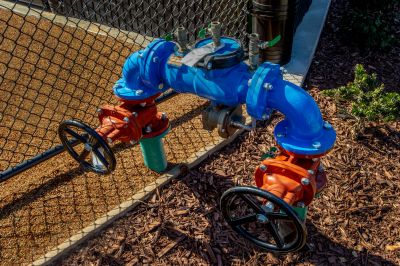
Understanding what backflow is and why plumbing testing is important is essential for property owners who want to ensure their water supply remains safe and uncontaminated. Backflow occurs when contaminated water flows backward into the clean water supply, often due to changes in pressure within the plumbing system. This reverse flow can introduce pollutants, bacteria, or other harmful substances into drinking water, posing health risks for residents and anyone relying on the property’s water. When people search for this topic, they are typically seeking to understand how backflow can impact their property, what signs or issues to watch for, and why regular testing by plumbing professionals is necessary to prevent potential problems.
Backflow testing relates directly to a variety of property types, including residential homes, commercial buildings, and public facilities. In residential settings, backflow can occur if there’s a sudden change in water pressure, such as during firefighting or plumbing repairs, which might cause contaminated water to flow back into the home’s drinking water lines. Commercial properties like restaurants, hospitals, and offices often have complex plumbing systems that require regular testing to meet safety standards and prevent health hazards. Public water systems and facilities with irrigation or industrial processes also need to monitor for backflow to ensure the entire community’s water supply remains safe. These properties often have backflow prevention devices installed, which need periodic testing by experienced service providers to confirm they are functioning correctly.
Problems related to backflow are not always immediately obvious but can include foul odors, discolored water, or a sudden decrease in water pressure. In some cases, property owners may notice water that tastes or smells strange, indicating possible contamination. Planning for backflow prevention and testing is a proactive step that property owners can take to avoid costly repairs or health issues down the line. Local contractors who specialize in backflow testing have the expertise to inspect and maintain backflow prevention devices, ensuring they operate properly and comply with local safety codes. These professionals can also advise on the best ways to protect a property’s water system and help schedule regular testing to catch issues early before they develop into more serious problems.
For homeowners and property managers, understanding the importance of backflow testing is a key part of maintaining a safe and reliable water supply. Regular testing by qualified service providers helps identify potential failures in backflow prevention devices, which are crucial for stopping contaminated water from entering the clean supply. By working with local contractors experienced in plumbing testing, property owners can ensure their systems are properly monitored and maintained, reducing the risk of health hazards and water quality issues. Ultimately, staying informed about what backflow is and why plumbing testing is important helps property owners take practical steps to safeguard their water systems and ensure peace of mind for everyone relying on their water supply.
Backflow Prevention Installations - local contractors can install backflow prevention devices to protect drinking water from contamination, similar to plumbing testing that ensures system integrity.
Water Quality Testing - professionals perform water testing to identify potential pollutants, which complements the importance of detecting backflow issues in plumbing systems.
Leak Detection Services - identifying hidden leaks requires similar skills and tools used in plumbing testing to prevent water damage and maintain system safety.
Pipe Inspection and Camera Services - using specialized equipment to inspect underground or hard-to-reach pipes aligns with the planning involved in backflow testing procedures.
Drain Cleaning and Maintenance - cleaning drains helps prevent blockages that could cause backflow, making it a related service that supports plumbing system health.
Water System Troubleshooting - diagnosing plumbing system issues involves understanding water flow and pressure, which is essential for effective backflow prevention and testing.
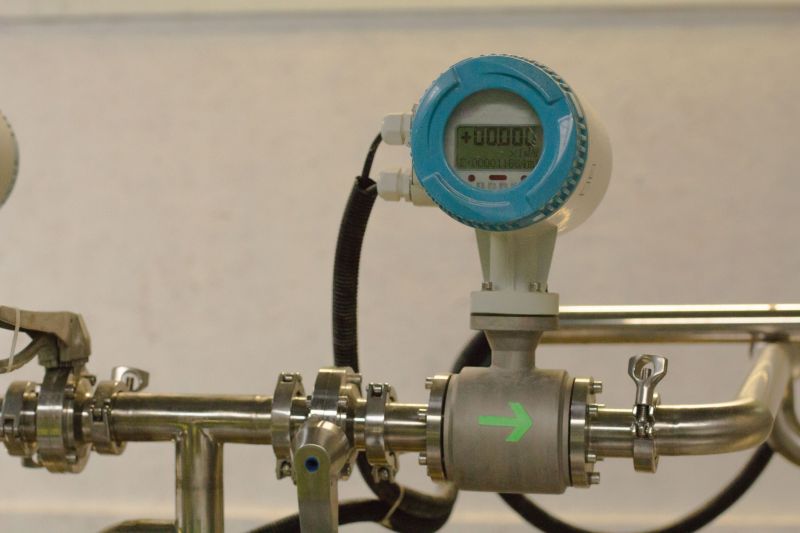
When comparing service providers for backflow testing, it is important to consider their experience with similar projects. Homeowners should look for local contractors who have a proven track record of handling backflow prevention and plumbing testing in residential settings. An experienced professional will understand the nuances of different plumbing systems and be better equipped to identify potential issues related to backflow risks. This familiarity can help ensure that the testing is thorough and that any necessary repairs or adjustments are handled effectively, contributing to the ongoing safety and functionality of the home’s plumbing.
Clear written expectations are a key factor when evaluating local pros for backflow testing services. Homeowners should seek providers who can outline the scope of work in detail, including what the testing will involve, any potential follow-up steps, and how issues will be addressed if they arise. Having this information in writing helps prevent misunderstandings and ensures that everyone is aligned on the process. Transparent communication about what to expect can also make the entire experience smoother and more predictable, giving homeowners confidence in the professionalism of the service provider they choose.
Reputable references and good communication are essential qualities to consider when choosing a local contractor for backflow testing. Homeowners should inquire about previous clients’ experiences and seek out reviews or testimonials that attest to the provider’s reliability and professionalism. Additionally, service providers who communicate clearly and promptly can make the process more convenient and less stressful. Good communication includes explaining technical details in understandable terms and being responsive to questions or concerns, which can help homeowners feel more informed and comfortable throughout the testing process.
Property owners often search for what backflow is and why plumbing testing is important when they are planning practical projects around their homes and businesses. Local pros provide Backflow Testing services for everyday jobs and straightforward project options.
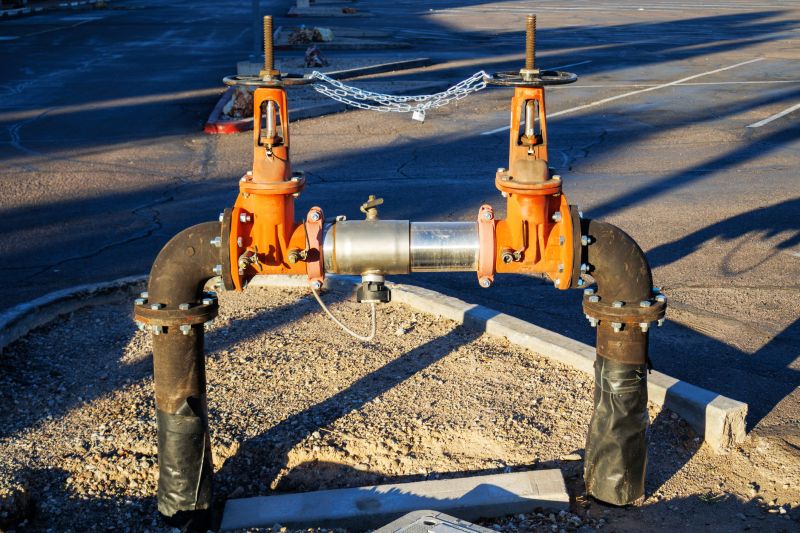
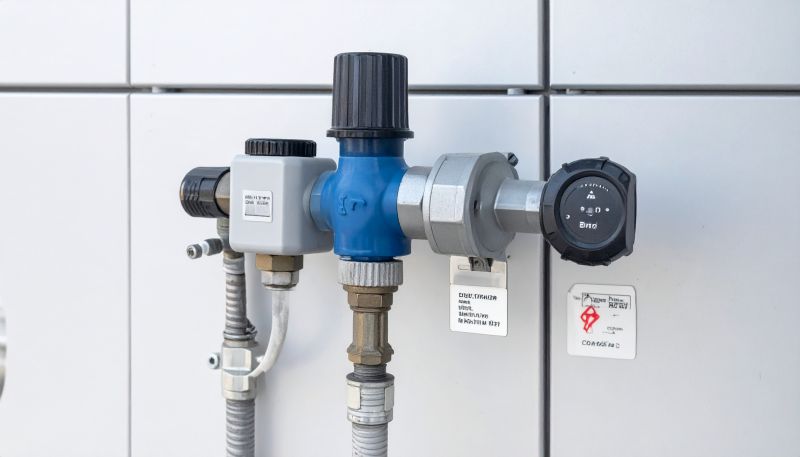
Understanding what backflow is and why plumbing testing is important can help property owners ensure their water systems remain safe and functional. Backflow occurs when contaminated water flows backward into the clean water supply, potentially introducing pollutants or bacteria. This situation can happen due to changes in water pressure or plumbing issues, especially in homes or businesses with complex or aging plumbing systems. Regular plumbing testing by local contractors can identify potential backflow problems early, preventing costly repairs or health hazards down the line.
Property owners in the area might seek backflow testing services to maintain the safety of their water supply and comply with local regulations. Having a professional assess the plumbing system can reveal whether backflow prevention devices are working correctly or need adjustment. Engaging experienced local service providers ensures that backflow issues are addressed promptly and effectively, helping to protect the health of everyone relying on the property’s water supply.
What is backflow and why is it a concern? Backflow occurs when contaminated water flows back into the clean water supply, potentially causing health hazards. Plumbing testing by local contractors helps identify and prevent backflow issues before they become serious problems.
Why is backflow testing important for my plumbing system? Regular backflow testing ensures that backflow preventers are functioning correctly, protecting drinking water from contamination and maintaining safe water quality in your property.
How do local plumbing service providers test for backflow issues? They perform specialized inspections and testing of backflow prevention devices to verify proper operation and identify any signs of failure or potential backflow risks.
What are the risks of not having backflow testing done? Without testing, backflow preventers may fail, increasing the risk of contaminated water entering the supply, which can lead to health issues and costly repairs.
Can backflow problems be fixed if detected during testing? Yes, local contractors can repair or replace faulty backflow prevention devices to ensure the plumbing system remains safe and compliant with local standards.
Understanding backflow prevention - property owners can learn how backflow issues might affect their water supply and seek testing services to ensure proper system function.
Scheduling regular plumbing tests - arranging routine backflow testing with local contractors helps maintain safe water quality and prevent contamination risks.
Identifying potential backflow hazards - homeowners can evaluate their property's plumbing setup to spot vulnerabilities that require professional testing and correction.
Implementing backflow prevention devices - property owners can work with local service providers to install and maintain devices that protect against backflow problems.
If you are thinking about what backflow is and why plumbing testing is important for a property, this guide is meant to help you understand this topic, the typical project types, and how different options might fit your plans.
When you are ready, you can use the quote form on this page to share a few details about your project. From there, local pros can review the basics and follow up with options that match what you have in mind.